

Getting to a more well balanced lifestyle while working shift work has taken over five years of trial and error for me. I’m sure if you are reading this, like me you have suffered from the low energy, bloating, poor sleep, food cravings that come with the joy of working night shift. There were some things that I tried that worked wonders for a short time but the issues of interrupted sleep, mid-day energy crashes and overall fatigue would always come back. That can be one of of the most frustrating things when trying to starve off the effects of shift work. I have created a list of the essential staples in my life that may help you along your journey. I will share a few of them with you in this 2-Part series about where I started. Now I am not saying that these things will be a cure for all your woes but simply that they have helped me with maintaining some sort of balance and if you adopt some of the principals they may also help you.
The list outlines various supplements and activities that I use routinely to help balance and control my energy levels to the point that I like to think is healthy and functioning. One thing I have learned is this lifestyle is never going to be perfect and you will definitely have times of poor sleep and stress and low energy despite everything. The key is knowing how to adjust and nourish your body so that it can rebound from the gutter. Being more attuned with your how your body feels is a must. I share these items in hopes that the insight and education allows you to better listen to what your body needs. Approaching this from an educational and experimental perspective, and gaining just a little bit of know-how into the way your body functions and what it needs will help guide you in your better balance journey. The suggestions I am making are from my own personal discovery before studying to be a holistic nutritional therapist. I am a nerd at heart, so I did do some initial research and took a few online courses which helped guide me. I read up on adrenals and the effects of stress and shift work on them and how they can result in something called adrenal fatigue. I will write a post of this in the near future, but most of my ideas listed below stem from attempts to regulate this. The best part is that they are simply lifestyle changes that you can do on your own. NOTE: These ideas are in no way a substitute for sound medical advice and treatment.
#1 One of the hardest realizations I had to make was that my dependency on caffeine, particularly espresso had to be re-evaluated. My love for the taste of coffee aside, the initial rush of energy from caffeine was glorious but short lived. I found the more coffee I drank the worse it eventually made me feel. I started drinking more and more and less and less water. Coffee acts as a diuretic and if you are not consuming water to counterbalance this you will become dehydrated. This leaves you feeling worse and more sluggish if you hadn’t had coffee. Unfortunately, the effects of caffeine don’t stop there! Cortisol is a hormone that is secreted during periods of stress. The levels of this stress hormone naturally rise and fall throughout the day along with your natural energy levels and sleep pattern. When you works shift work and unpredictable hours this can cause this natural shift to become out of sync. That in addition to the exterior stressors of working nights, your body can become inundated with cortisol that your body cannot keep up. The this dysfunction and exhaustion of your natural production processes can stress your adrenal gland to the point that it does not function properly. You enter into adrenal fatigue when this becomes a chronic problem. The unrelenting fatigue that sleep does not seem to help, inflammation, bad skin, and digestion issues are a few symptoms that you may experience. With coffee, it can cause spikes in cortisol levels. So for the many people who drink coffee first thing in the morning can actually be doing harm to themselves in the long run. What I have come to find is if you are able to eat in a way that mimics the natural cortisol pattern, namely by reducing caffeine and timing it for mid-day, it does not have as much of a triggering effect on your body and stress levels. That early morning coffee habit can be very hard to break. Some of the things that I have found that helped were herbal teas.
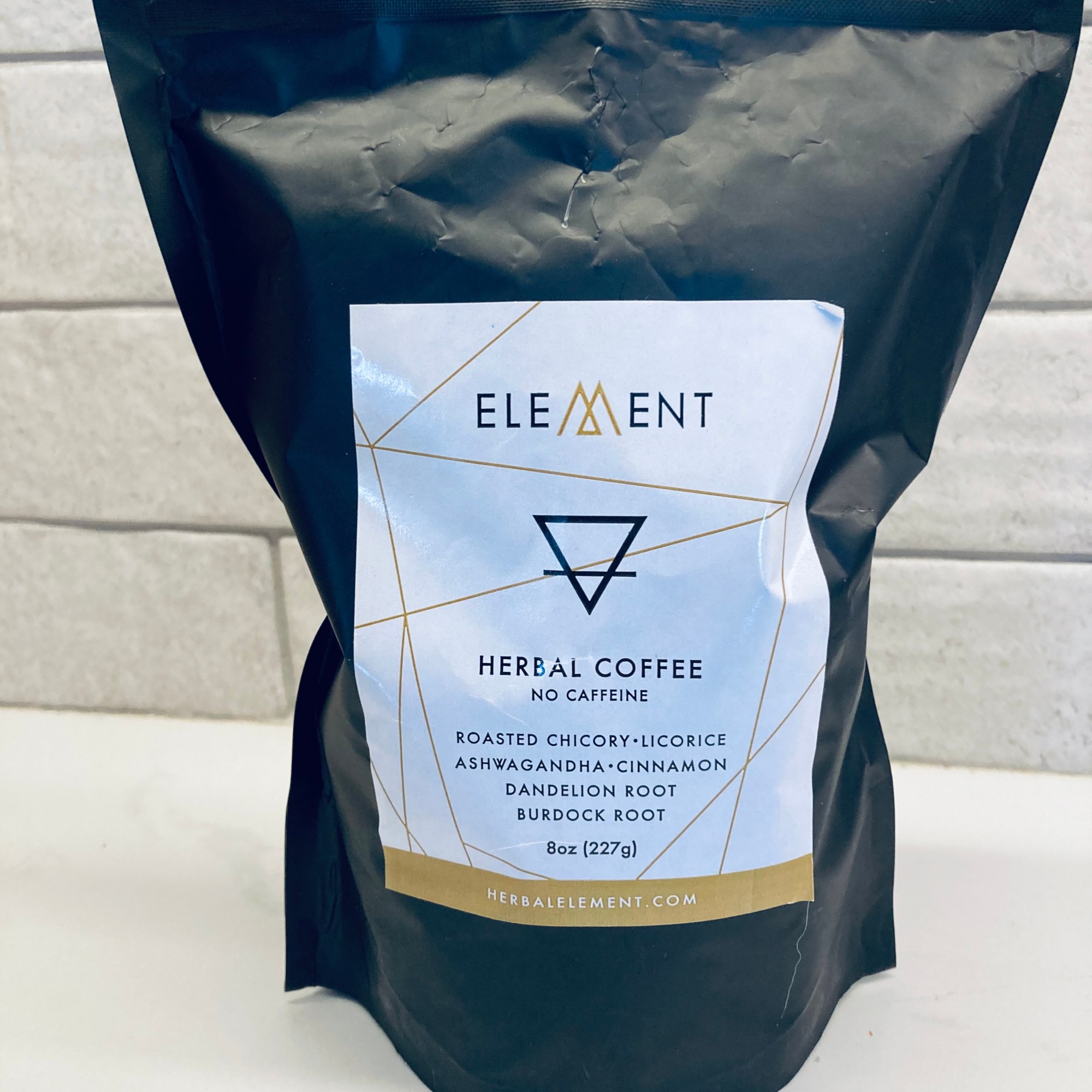
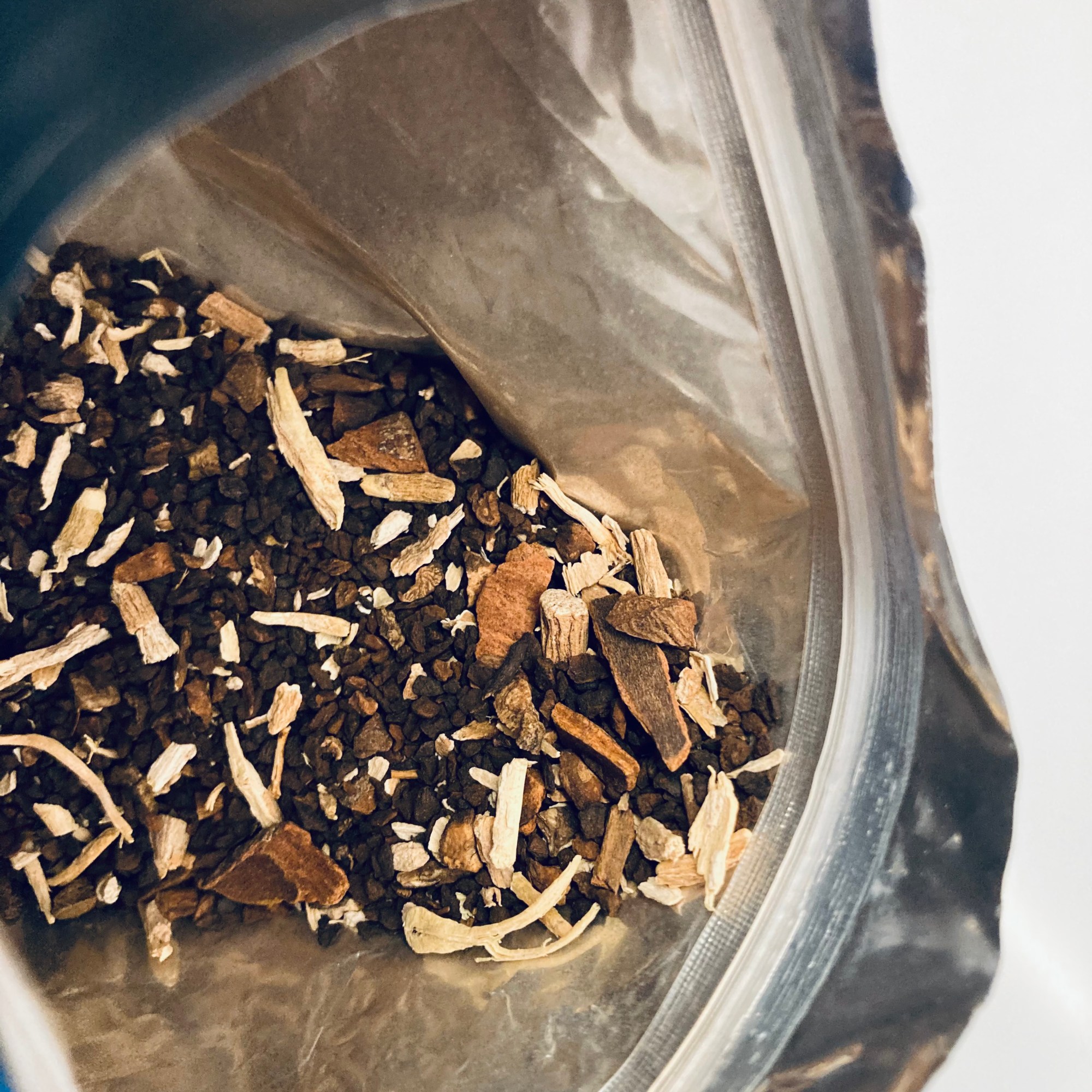
Herbal Element, a tea company created by one of my favourite adrenal and health gurus, Emily Schromm have a Herbal Coffee tea blend that is a great caffeine free supplement. It has that glorious sharp bitterness of coffee that quenches that need for a punch to the pallet in the morning. It goes great with a dash of milk, but I prefer it black just like my coffee. Along with being caffeine-free, it includes chicory-licorice, Ashwaganda, cinnamon, dandelion and burdock roots. Ashwa-whatttt?? You ask? It is a common herbal adaptogenic that helps lower stress and bring equilibrium and calm to your nervous system. I will save all that jazz for another day. This tea is amazing, and saved my sanity more than once. Not only is it a great supplement, the company is female owned and boasts a menu of other herbal teas for whatever mood, all while being caffeine free. No way am I an affiliate or sponsored, I just want to share the love with you all.
Check it out at https://herbalelement.com/
#2 MAGNESIUM-–
This right here…. has been a game changer for me. At one time I thought that taking a multivitamin would be all that I needed to keep my body healthy and happy. But once I started having issues with interrupted sleep and falling asleep (thank you again shift work). I knew I had to be missing something. But what the heck was it?
Similar to my post above, I stumbled across a Nutritional Therapy Practitioner named Emily Schromm. She is known for being a serial fitness and wellness entrepreneur, gym owner, personal trainer and what she coins, a Meathead Hippie. Anywho,…..While taking the Body Awareness Project Adrenal course by Emily Schromm I came across a great little resource booklet outlining the specific health needs of people who work shift work and have high stress levels. One thing I did not know was that a large portion of the population is deficient in magnesium. Magnesium is a mineral used by our body as a metabolic electrolyte. It is essential to energy production and cardiovascular health and has a somewhat symbiotic relationship with calcium. It is considered the “anti stress” mineral and acts as a natural tranquilizer in that it helps relax the central nervous system, skeletal muscles and smooth the muscles of the gastrointestinal tract. (Calcium does the reverse) It helps reduce muscular spasms which is important in reducing stress on the heart and has also been shown to help reduce symptoms relating to menstrual cramps. (BONUS!)
So I started thinking, why not try it? What do I have to lose? I began supplementing with 500mg/day in the morning and within a week began noticing a difference. I was sleeping more soundly throughout the night, I was falling asleep faster and wasn’t waking up at 3am as much anymore. As bonus for me personally I noticed a reduction in my daily anxiety levels.
Having recently just started my studies with CSNN and their discussion on water and what modern municipalities do to process our water to make it consumable; I discovered a lot of the refinement processes work to eliminate many vital minerals, including magnesium. How does this relate to nightshift workers? When our body is deficient, which most of us are, our bodies can show signs of fatigue, irritability, insomnia and muscle tremors. These are symptoms are already present with interrupted sleep patterns from shift work and a deficiency only exacerbates them. When you’re cortisol levels are all over the place with stress, working night shift and higher coffee intakes the regular deficiency most of us have is heightened. A supplementation of magnesium could be helpful!
These are just a few of the daily changes I have made and found helpful in my shift work journey. Stay tuned for PART II for more!.
❤
 nourishlifestyles.ca
One thought on “Night Shifters….Start HERE!!!…. PART I”